
Who Buys Tenant-Occupied Properties in Sacramento?
Cash buyers and real estate investors are the primary buyers of tenant-occupied properties in Sacramento. Unlike traditional buyers who need vacant homes to qualify for financing, cash buyers purchase properties with tenants in place — no eviction required. Ummah Homes regularly buys tenant-occupied properties across Sacramento, Elk Grove, Rancho Cordova, and surrounding areas, closing in as little as 21–24 days without disrupting your tenants.
You Think Nobody Will Buy It. That Fear Is Keeping You Stuck.
You've been searching online, maybe called a few agents, and heard the same thing: "We'd need the tenants out first."
So now you're stuck. The tenants aren't leaving. You can't list it traditionally. You're still paying the mortgage, insurance, and property taxes on a rental that's either barely cash-flowing or actively draining you — and you have no clear way out.
Maybe your tenant stopped paying rent three months ago. Maybe you inherited this property and never wanted to be a landlord in the first place. Maybe you're just done — done with the late-night calls, the maintenance requests, the stress of California's tenant protection laws hanging over every decision.
Here's what most landlords don't realize: the house doesn't have to be vacant to sell it. The tenant doesn't have to leave before closing. You don't need to win an eviction case first. The right buyer purchases the property exactly as it stands — tenant and all.
This isn't a workaround or a loophole. It's a completely normal real estate transaction that happens every day in Sacramento. You just haven't found the right buyer yet.
So Who Actually Buys Tenant-Occupied Properties?
Not all buyers are created equal when there's a tenant involved. Here's an honest breakdown.
Traditional Buyers (Owner-Occupants)
Most people buying homes through the MLS plan to move in. A tenant complicates that immediately — and their lender often makes it impossible. Conventional financing requires the property to be vacant or the loan terms shift dramatically. Even if you find a buyer willing to inherit the tenant, they'll demand significant concessions, price reductions, and lengthy inspection contingencies.
In practice, listing a tenant-occupied property on the MLS in Sacramento often means 60–90 days on market, multiple price reductions, and deals falling through. According to California market data, roughly 25% of traditional sales in California fall apart before closing — a number that climbs significantly when tenants are involved.
iBuyers (Opendoor, Offerpad)
These platforms operate with rigid criteria. Tenant-occupied properties, deferred maintenance, or any complexity outside their algorithm typically results in a pass or a heavily discounted offer with fine-print fees that add up fast. If they do make an offer, expect service charges of 5–8% on top of the below-market price.
Real Estate Investors and Cash Buyers
This is where the market actually works for you. Local investors and cash-buying companies like Ummah Homes purchase tenant-occupied properties regularly. The lease transfers to the new owner at closing — the tenant's living situation doesn't change, and neither does your obligation to them. You simply stop being their landlord.
Key fact: California Civil Code requires a minimum 60-day written notice for month-to-month tenants who have lived in the property for one year or more before a tenancy can be terminated. In a cash sale to an investor, no such notice is required — the lease transfers intact.

What California's Tenant Protection Laws Mean for Your Sale
California has some of the strongest tenant protections in the country, and Sacramento County adds its own layer on top of state law. For landlords trying to sell, this creates a real timeline problem.
Under AB 1482 (Tenant Protection Act of 2019), most residential rental properties in Sacramento are covered by just-cause eviction requirements. You cannot simply ask a tenant to leave because you want to sell. You need a qualifying reason — and even then, the process can take three to six months or longer if the tenant contests the eviction in court.
For the full breakdown of California's eviction process and tenant rights, California Courts provides a detailed self-help guide that explains the legal steps involved.
Here's the practical reality many Sacramento landlords face:
- Non-paying tenant? Unlawful detainer (eviction) proceedings in Sacramento typically take 45–90 days minimum, often longer
- Month-to-month tenancy, 1+ year? 60-day written notice required before termination, assuming just cause exists
- Fixed-term lease? You generally cannot force them to leave until the lease expires — even if you've sold the property
Waiting out the eviction timeline while carrying a mortgage, property taxes, and landlord insurance is expensive. On a Sacramento rental property with a $2,400/month mortgage, a six-month eviction process costs over $14,400 in carrying costs alone — before legal fees.
A cash buyer sidesteps all of this. The tenant stays. The lease transfers. You close and move on.
The Real Numbers: Selling Tenant-Occupied With an Agent vs. a Cash Buyer
| Traditional Listing (with tenants) | Cash Buyer (tenant in place) | |
|---|---|---|
| Will they buy it? | Rarely without concessions | Yes, as-is |
| Eviction required? | Often yes | No |
| Time to close | 90–180 days (with delays) | 21–24 days |
| Agent commission | 5–6% (~$24,000 on $400K home) | $0 |
| Repair requirements | Lender-required repairs | None |
| Carrying costs (6 months) | $12,000–$18,000+ | Minimal |
| Sale falling through risk | High (25% avg in CA) | Near zero |
| Tenant disruption | High (showings, notices) | None |
The math often surprises landlords. A cash offer that looks lower on paper frequently nets more after you subtract six months of carrying costs, agent commissions, repair demands, and the real possibility that the deal falls apart entirely.
What Happens If Your Tenant Isn't Paying Rent?
This is the situation most Sacramento landlords are quietly dealing with. A tenant who stopped paying three months ago, a notice that went ignored, and a legal process that feels endless.
This is actually more reason to sell now, not less.
If you're thinking about renting to someone else instead — that's a business decision, not just a real estate one. In California, becoming a landlord again means navigating AB 1482 protections, security deposit rules, habitability standards, and the emotional and financial risk of another bad tenant. If the reason you're here is that being a landlord stopped working for you, adding a new tenant doesn't solve the underlying problem.
A cash sale ends the relationship entirely. The non-paying tenant becomes the buyer's responsibility the moment the deed transfers.
If you want to understand all your exit options as a reluctant landlord, this guide on selling an unwanted rental property when being a landlord no longer makes sense walks through the full picture.
Does the Lease Transfer to the New Owner?
Yes. Under California law, when a property is sold, any existing lease transfers to the new owner automatically. The tenant's rights do not change. Their rent amount stays the same. Their lease terms remain intact.
This is actually a selling point to cash buyers and investors — a tenant in place means immediate rental income from day one. A non-vacant property isn't a liability to the right buyer. It's an asset.
The one exception: if the buyer intends to move in as a primary residence, AB 1482 does allow termination of a month-to-month tenancy with proper notice and relocation assistance in some cases. But when selling to an investment buyer, this issue doesn't arise at all.
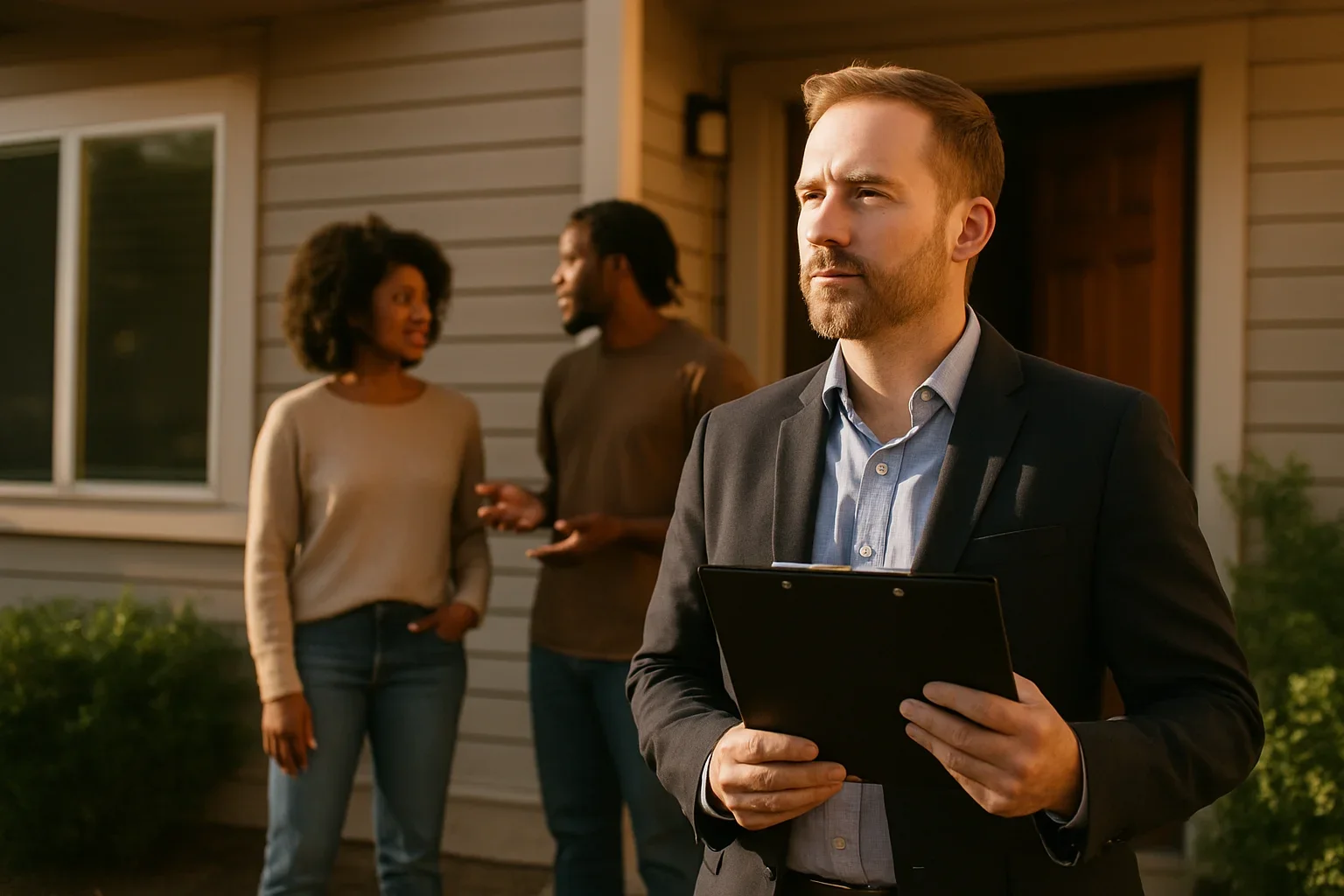
How Ummah Homes Buys Tenant-Occupied Properties
We've bought properties across Sacramento, Elk Grove, Citrus Heights, North Highlands, and Rancho Cordova with tenants in place — paying, not paying, cooperative, uncooperative. The tenant situation is part of what we factor into our offer. It is not a reason to walk away.
Everything starts over the phone. We don't need to visit the property before making you an offer. Since we built our assessment process after COVID, we gather everything we need in a conversation — lease details, tenant status, property condition as best you know it — and give you an accurate cash offer based on that information.
If the offer works for you, we sign an agreement and then schedule a property visit to confirm the details. If everything matches what you told us, the price stays the same. No bait-and-switch, no surprise deductions at closing.
The transaction closes through a licensed title company — a neutral third party that handles all funds and paperwork. Neither side touches the money directly. It's the same process used in any California real estate transaction, with the same legal protections.
You don't need to tell the tenant anything before we close. We handle communication with them after the transfer. You don't need to do anything except choose your closing date and show up (or sign remotely).
If you're also dealing with tenants who've caused damage or simply worn out your patience, this resource on how to sell a house with bad tenants in Sacramento covers that specific situation in more detail.
Ready to Find Out What Your Rental Property Is Worth?
If you've read this far, you're probably past the "is this even possible" stage and into "I just want to know what the number looks like."
That's exactly what the next step is. Fill out the form below or give us a call. There's no obligation, no fee, and no pressure to decide anything. You'll get a real number, explained clearly, with no strings attached.
It takes about two minutes to start the conversation.
"*" indicates required fields
What Happens After You Reach Out
Step 1 — We call you within 24 hours. We'll ask you about the property, the tenant situation, the lease terms, and anything relevant. This is just a conversation, not an inspection.
Step 2 — We walk you through the offer. On a second call, we present a fair cash offer and explain exactly how we got there. We go over the timeline, the process, and next steps — all at your pace. No pressure, no obligation.
Step 3 — If you like the offer, we sign an agreement. Only after that do we schedule a quick visit to confirm the property details match what you described. If everything checks out, the price stays the same.
Step 4 — We close on your timeline. Our average close is 21–24 days, but if you need 7 days or 60 days, we work around your schedule. Funds are wired within 24–48 hours of closing.
You don't need to clean the property. You don't need to deal with the tenant. You don't need to be there when we visit. If you've accumulated years of deferred decisions and just want this off your plate — that's exactly the situation we're built for.
The offer is just a starting point. If the number doesn't work, you say no. No awkward conversation, no pressure. And if something changes after you've said yes, we talk it through. That's it.
To explore all your options and see how a sell my house fast Sacramento approach compares to waiting out a traditional listing, you're already in the right place.
Frequently Asked Questions
Do I have to evict my tenant before selling to a cash buyer?
No. A cash buyer purchases the property with the tenant in place. The lease transfers automatically to the new owner under California law. You do not need an eviction judgment, a notice period, or even a vacant property. The tenant's situation becomes the buyer's responsibility the moment the sale closes.
Will cash buyers discount heavily because of a tenant?
The offer reflects the property as-is, including the tenant situation. A paying tenant in good standing actually adds value — it means immediate rental income. A non-paying or problem tenant is factored in as a cost the buyer takes on. The discount, if any, is transparent and explained upfront. Compare that net figure against six months of carrying costs plus agent commission to see which number is actually better.
Can I sell a tenant-occupied property if the tenant is on a fixed-term lease?
Yes. The fixed-term lease transfers to the new owner intact. The tenant keeps their lease terms, their rent amount, and their legal rights. The only thing that changes is who receives the rent check. This is legal and common in California investment real estate transactions.
What if my tenant refuses to cooperate with showings or access?
Under California law, landlords must provide 24-hour written notice before entering, and tenants can decline access for showings in some circumstances. This is exactly why traditional MLS listings fail with uncooperative tenants — buyers and their agents can't get inside. A cash buyer doesn't need showings. We assess the property based on your description over the phone and schedule a single confirmation visit after the agreement is signed, on a date you coordinate.
How long does it take to close on a tenant-occupied property?
Ummah Homes closes tenant-occupied properties in Sacramento in an average of 21–24 days from signed agreement. The tenant's presence does not slow the closing timeline. If you need to close faster — even in 7–10 days — that's also possible depending on the title work.
Is it legal to sell a rental property without telling my tenant?
You are not legally required to notify your tenant before entering into a purchase agreement. Once a sale is finalized, California law requires the new owner to honor the existing lease and provide proper notice of the ownership change. Your tenant will be notified after closing by the new owner. This is standard practice in investor-to-investor sales throughout Sacramento.
Related Articles
- How to Sell a House With Bad Tenants in Sacramento Without the Headache
- Selling an Unwanted Rental Property When Being a Landlord No Longer Makes Sense
- The Real Costs of Selling Your House in Sacramento
- How to Stop Foreclosure in California Once It Has Already Started
- More Resources for Sacramento Homeowners